
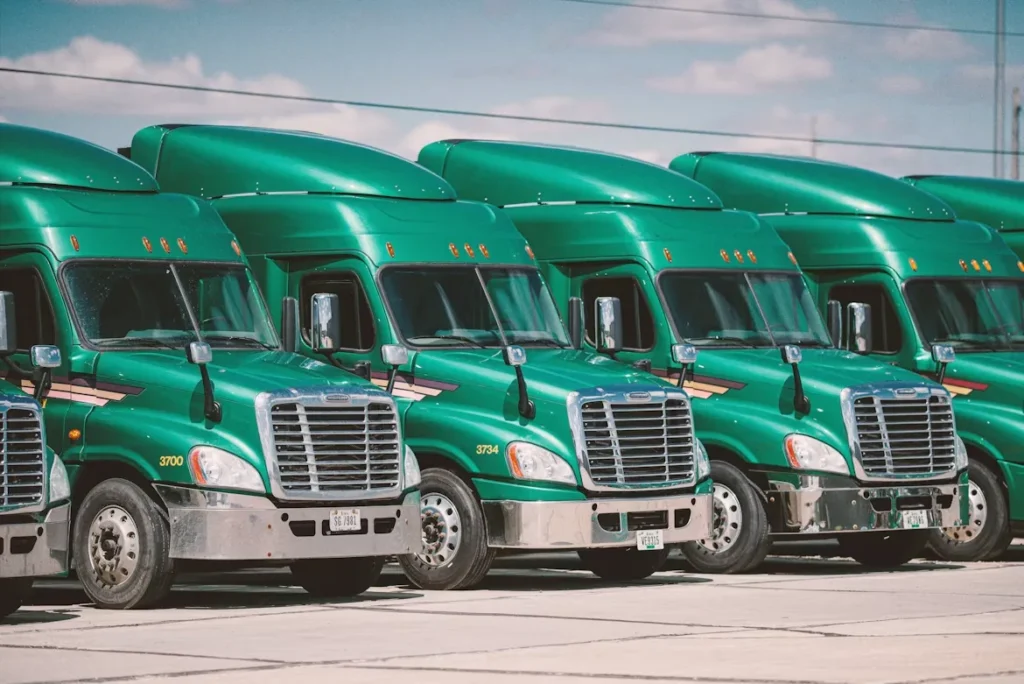
Managing a commercial fleet requires constant attention to detail. From scheduling maintenance and monitoring vehicle usage to coordinating drivers and maintaining accurate records, fleet managers are responsible for keeping business operations running smoothly. Among these responsibilities, registration renewals are often overlooked until deadlines begin approaching.
Missing a renewal date can create unnecessary challenges for businesses that rely on their vehicles every day. Administrative delays, unexpected downtime, and compliance concerns can interrupt operations and affect overall productivity. For this reason, more companies are placing greater emphasis on fleet renewal management as part of their overall fleet strategy.
Rather than responding to deadlines at the last minute, businesses are developing organized systems that help them stay ahead throughout the year.
Why Renewal Deadlines Matter
Every commercial vehicle operates within a schedule. Deliveries, service appointments, client visits, and transportation routes all depend on vehicles remaining available when they are needed. When renewal deadlines are missed, businesses may face disruptions that affect much more than paperwork. A single delay can impact scheduling, employee productivity, and customer expectations.
As fleets grow larger, keeping every vehicle properly documented becomes increasingly important. Organized renewal planning helps businesses maintain operational continuity while avoiding unnecessary interruptions.
Fleet Growth Increases Administrative Responsibilities
Managing registration renewals for a few vehicles is very different from overseeing an entire commercial fleet. As businesses expand, each additional vehicle introduces another renewal date, another record to monitor, and another administrative task that must be completed on time.
Without an organized system, important dates can easily become difficult to track, especially when vehicles are purchased at different times throughout the year. This is why many companies invest in structured fleet renewal management practices that provide greater visibility across every vehicle in the fleet.
Organization Creates Better Control
Successful fleet management depends on accurate recordkeeping. Businesses often maintain information for every commercial vehicle, including ownership documentation, maintenance history, insurance records, and registration information. Bringing these records together into one organized system makes future planning much easier.
Instead of searching through multiple files whenever a renewal approaches, fleet managers can quickly review upcoming deadlines and coordinate administrative work in advance. This level of organization supports smoother day-to-day operations while reducing unnecessary stress.

Planning Reduces Last-Minute Pressure
One of the most effective ways businesses avoid renewal issues is by treating renewals as ongoing responsibilities instead of annual tasks. Rather than waiting until expiration dates are close, many companies review upcoming registrations throughout the year.
Planning gives businesses greater flexibility when scheduling administrative work and helps avoid situations where multiple renewals require immediate attention at the same time. A proactive approach often proves far more manageable than reacting to deadlines after they become urgent.
Technology Improves Renewal Tracking
Modern fleet management relies heavily on digital organization. Many businesses use internal tracking systems, calendar reminders, fleet management software, or administrative databases to monitor important dates.
These systems help managers identify upcoming renewals well before deadlines arrive, allowing sufficient time to complete necessary administrative steps. Technology cannot replace professional expertise, and it’s always ideal to hire a fleet renewal company, but it can support better internal planning and improve overall fleet organization.
Professional Support Simplifies Complex Fleets
As fleets become larger, registration management often becomes more specialized. Companies operating vehicles across multiple locations or managing different vehicle types frequently benefit from working with experienced registration companies.
Having knowledgeable support available helps businesses coordinate renewals more efficiently while reducing the administrative burden placed on internal staff. Instead of assigning employees to monitor every registration individually, organizations can focus more attention on core business operations.

Consistency Helps Prevent Costly Interruptions
Businesses benefit from standardized administrative procedures. When registration renewals follow consistent internal processes, fewer deadlines are overlooked, records remain better organized, and responsibilities become easier to manage.
This consistency also helps when new vehicles join the fleet or existing vehicles are replaced, ensuring that registration management remains organized regardless of fleet size. Strong administrative habits often contribute to smoother long-term fleet operations.
Renewals Should Be Part of Overall Fleet Strategy
Registration renewals should not exist as isolated administrative tasks. Instead, many successful businesses incorporate renewal planning into broader fleet management activities alongside maintenance scheduling, insurance reviews, vehicle replacement planning, and ownership documentation.
Viewing renewals within the larger operational picture helps businesses build more reliable systems that support long-term growth rather than simply responding to individual deadlines. This strategic approach makes fleet renewal management an important part of responsible fleet administration.
Avoiding Penalties Starts With Preparation
While no business wants to deal with penalties or operational delays, prevention is often far easier than correction. Maintaining organized records, reviewing renewal schedules regularly, and working with experienced professionals all contribute to smoother registration management throughout the year.
Businesses that prioritize preparation often spend less time responding to administrative issues and more time focusing on serving customers and expanding their operations. As commercial fleets continue growing, organized renewal management remains one of the simplest ways to support reliable business performance while minimizing unnecessary administrative disruptions.

At Auto Tags & Titles of South Florida, we help businesses keep large commercial fleets organized with dependable fleet renewals, reducing administrative pressure while supporting uninterrupted operations. We also handle complex fleet title transfers for companies buying, selling, or restructuring multiple vehicles, making the process far more efficient. Through our trusted auto tag services in Davie and Fort Lauderdale, FL, we assist companies, dealerships, and commercial operators with a wide range of registration and title needs under one roof. When it’s time for auto registration renewal, let us handle the paperwork, so your team can stay focused on keeping your fleet moving instead of managing administrative tasks.
Contact us now.
